The Link Between Continuous Learning and Effective Teaching Practices
Understand the link between continuous learning and effective teaching practices to better equip professionals to improve students' learning experience.

Written by Spark Writes
Understand the link between continuous learning and effective teaching practices to better equip professionals to improve students' learning experience.
Written by Spark Writes
Overview
- This article explores how continuous learning strengthens teaching practices, helping educators adapt to changing classroom demands and improve student outcomes.
- Ongoing professional development builds adaptable skills and encourages collaboration through learning communities. Spark PH provides trusted CPD programs that help institutions develop capable teachers and sustain long-term instructional excellence.
The link between continuous learning and effective teaching practices becomes increasingly important as educational institutions strive to equip learners with critical skills. For talent development leads, investing in educators’ professional growth is no longer simply about compliance. Teachers who continue to refine their knowledge are better prepared to create more meaningful learning experiences for every student.
Building a culture of lifelong learning requires structured professional development opportunities that empower educators to grow throughout their careers. At Spark PH, we help institutions achieve this by delivering Continuing Professional Development (CPD) programs that support individual competency development.
Let’s explore how continuous learning can help leaders improve teaching effectiveness among their workforce.
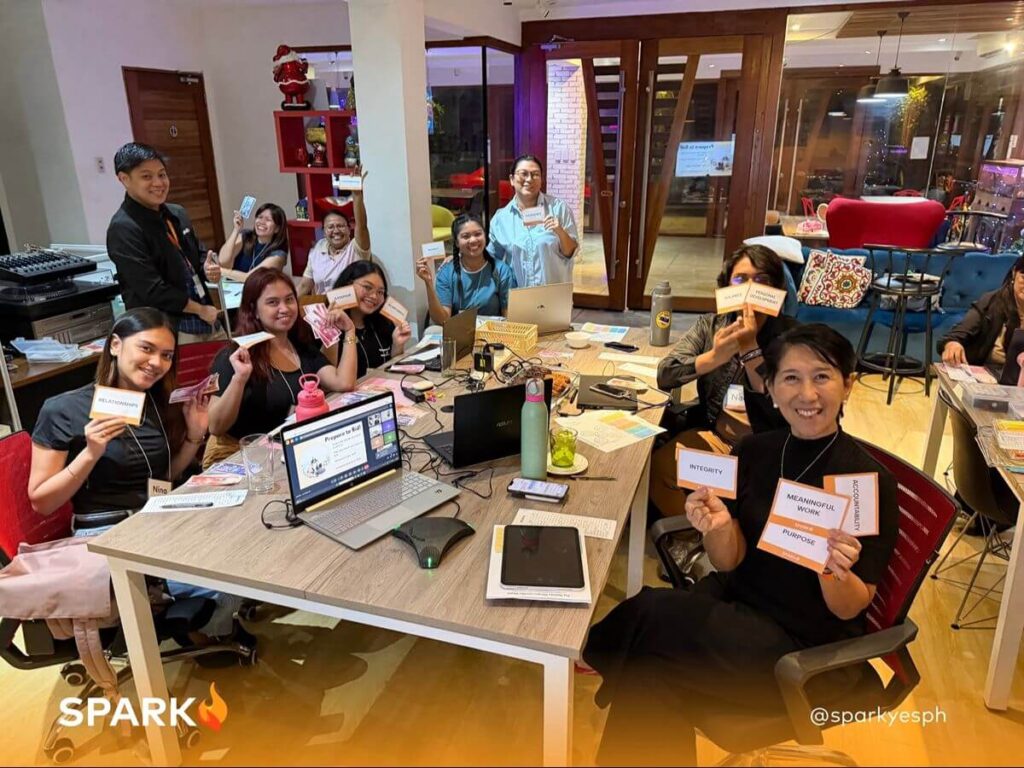
Meeting today’s diverse student needs requires teachers to continuously update how they design and deliver learning experiences. Modern classrooms include learners with varied backgrounds and learning styles, making rigid, static teaching approaches increasingly ineffective. Through targeted professional development, educators can equip themselves with practical strategies to remain responsive to changing student needs.
Ongoing learning exposes teachers to emerging technologies, personalized instruction, and inclusive classroom management techniques. Instead of relying solely on past experiences, educators continuously refine their practice using current research and proven methods to create healthy learning environments that accommodate diverse student preferences.
Professional growth changes more than instructional techniques. As teachers expand their pedagogical knowledge, they become more willing to experiment with innovative approaches while adapting lessons to meet classroom challenges. This encourages proactive problem-solving, reducing their reliance on routines that may no longer serve students effectively.
This renewed sense of capability often translates into greater enthusiasm for teaching, creating classrooms that are more interactive and engaging. Students benefit from educators who confidently facilitate discussions and adjust instructions in response to learner participation. Over time, stronger teacher self-efficacy contributes to improved learning experiences and well-sustained instructional excellence.
Continuous learning helps educators improve their explanations of concepts and their responses to diverse learning needs, enabling them to deliver lessons better suited to their students’ learning styles. As teaching practices become more effective, students are more likely to achieve stronger academic outcomes and actively retain what they learn after every lesson.
Teachers who participate in peer workshops and collaborative learning communities tend to gain effective, practical insights from colleagues facing similar challenges. As they participate in professional development programs, they gain access to new strategies they can adapt in their own classrooms.
Applying these shared experiences allows educators to create more engaging learning environments that support students’ success.
Teachers are more likely to stay motivated when they see clear opportunities to grow throughout their careers. Continuous learning demonstrates that schools value their professional development, giving teachers the chance to strengthen existing skills and take on greater responsibilities with new competencies. This sense of progress helps make professional growth an ongoing part of their career.
Job satisfaction also grows when educators feel equipped to meet the changing demands of their profession. As teachers develop new teaching strategies and deepen their expertise, they experience a stronger sense of accomplishment. Over time, this supports long-term teacher retention and strengthens their commitment to the institution.
Continuous learning creates stronger educational communities. Schools that encourage ongoing development naturally foster collaboration, allowing teachers not only to exchange ideas but also to solve instructional challenges based on their learning from each other’s experiences.
Mentorship further reinforces this culture by connecting experienced educators with colleagues seeking to develop new competencies. Through regular collaboration, teachers share effective classroom practices and collectively improve instructional approaches that benefit the entire school. These professional learning communities contribute to more consistent teaching standards, improving school-wide outcomes.
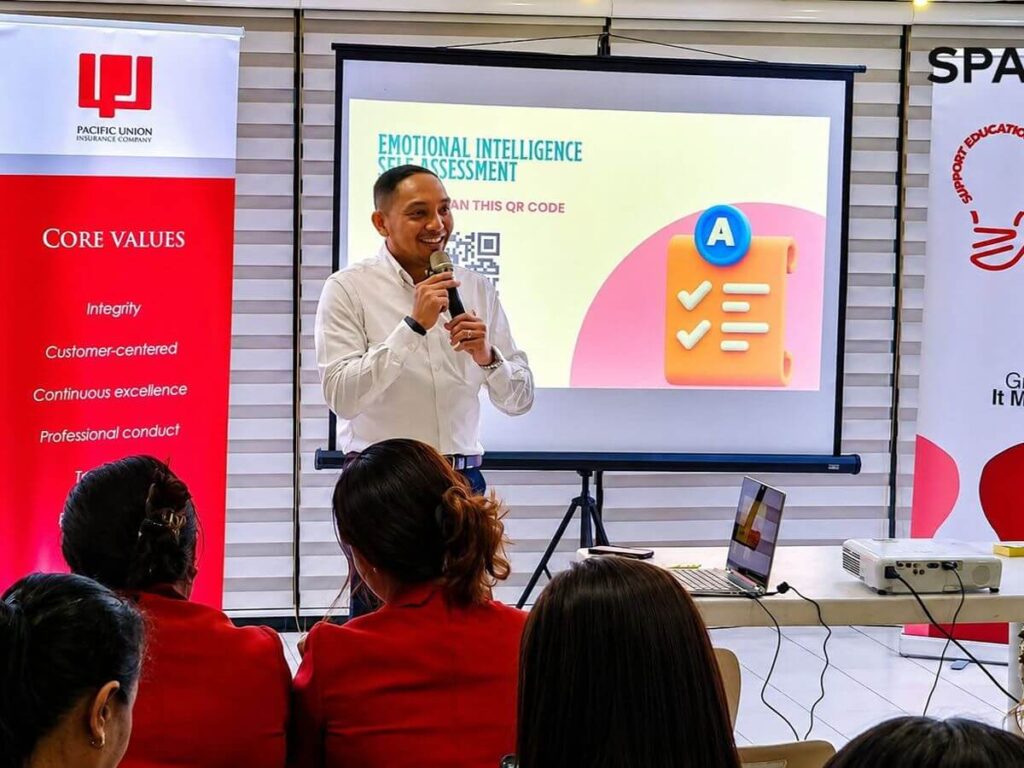
Spark PH delivers structured, accredited CPD programs designed to strengthen instructional practices and foster innovative teaching strategies. Our accessible learning opportunities support both individual career growth and broader institutional objectives.
Partnering with us allows schools to cultivate a culture of continuous learning that empowers educators to deliver exceptional experiences for future generations.
Achieving educational excellence means training teachers who never stop learning. The link between continuous learning and effective teaching practices is the key to helping teachers adapt to changing classroom needs and address the challenges that hinder learning. As teachers continue to build their knowledge, they become better equipped to create learning experiences that truly benefit the students they serve.
Spark PH helps educational institutions cultivate this culture of continuous professional growth through structured development programs designed around measurable learning outcomes. Contact us today to learn how we can help your educators drive lasting improvements in teaching and learning.
Browse related articles on leadership and personal development, offering fresh perspectives to help you lead with clarity and grow in your career.

Spark Writes
July 30, 2026
Discover how 25 professionals broke through self-doubt and hesitation to unlock their leadership potential in a transformative SPARK U+ workshop.
Read More
Spark Writes
July 17, 2026
Discover what the future holds for skills certification in workforce development and learn how they build agile, future-ready teams through continuous learning.
Read More
Spark Writes
July 10, 2026
Explore the growing demand for verifiable skills in global job markets and discover how professionals can validate competencies employers seek worldwide.
Read More