Signs Your Team is Struggling Because of Skill Gaps
Discover key signs of team skill gaps and how early recognition prevents productivity loss while supporting workforce growth.

Written by Spark Writes
Discover key signs of team skill gaps and how early recognition prevents productivity loss while supporting workforce growth.
Written by Spark Writes
Overview
- Skill gaps can manifest through missed deadlines, frequent errors, low initiative, over-dependence on key employees, training requests, and high turnover, all of which affect productivity and morale.
- Identifying these signs early allows organizations to address underlying capability issues.
- With structured micro-credential programs like those from Spark PH, teams can build targeted, role-specific skills and improve overall performance.
Missed deadlines, repeated mistakes, hesitant employees. When these patterns start to appear across projects, they may be strong signs that your team is struggling because of skill gaps. These situations occur when employees lack the training to meet evolving organizational demands. If not addressed early, these gaps can slowly affect both their productivity and collective morale.
Recognizing these signs allows you to address them strategically. Spark PH, a trusted corporate training provider in the Philippines, helps organizations equip teams with the competencies needed to succeed. Continue reading to understand what these skill gaps reveal about your workforce’s development needs.

Two of the most visible indicators appear in day-to-day work outputs: missed deadlines and recurring errors. If teams consistently struggle to meet expected performance standards, it affects not only project timelines but also their overall efficiency.
Consistently delayed deliverables often indicate that teams lack the necessary skills to complete tasks efficiently. When employees are unfamiliar with certain tools or processes, they tend to rely on trial and error or frequent clarification, which slows down task completion. What may appear to be a scheduling issue is often rooted in limited execution capability.
These delays go beyond individual projects, as they can disrupt coordination across departments, slow down decision-making, and create gaps that impact teams dependent on timely outputs. While extending deadlines or redistributing tasks may provide temporary relief, such measures do not address the underlying skill gaps.
Frequent mistakes in reports and deliverables indicate that employees may not have full mastery of the skills required for their roles. When individuals are uncertain about the technical processes involved, they are more likely to make errors or miss critical details, leading to outputs that require repeated revisions before meeting acceptable standards.
This results in wasted time correcting avoidable mistakes and forces managers to focus more on quality control instead of strategic priorities. Over time, recurring inaccuracies can also undermine employee confidence, causing hesitation in taking ownership of more complex tasks.
Behavioral patterns within teams often reveal when employees lack the confidence or capability to perform their roles independently. This surfaces as hesitation to take the lead in tasks or make decisions without guidance, signaling a lack of readiness.
A noticeable drop in initiative can indicate that employees lack confidence in their ability to contribute to the project effectively. Individuals who feel uncertain about their knowledge or technical skills tend to wait for detailed instructions instead of proactively proposing solutions. This increases reliance on managers to make decisions that employees should be capable of handling on their own.
As Victor Hugo once said, initiative is doing the right thing without being told. Organizations must invest in focused training programs to equip employees with the skills to act independently. By building confidence through targeted development and practical skill-building programs, leaders can empower employees to be more proactive in decision-making processes relevant to their roles.
When only a few team members possess the critical skills needed for complex tasks, the rest of the team becomes heavily dependent on them. This dependency can slow down operations, as project progress may stall when these key individuals are unavailable or overburdened. It also highlights existing skill gaps within the team, reducing overall agility and responsiveness.
Over-reliance on a few individuals can also impact team morale and engagement. Employees who feel unprepared may hesitate to take ownership of tasks, while key team members risk burnout from consistently serving as problem-solvers. Identifying these dependencies early allows organizations to address skill gaps and distribute expertise more evenly across the team.

Sometimes, employees themselves recognize when they lack the support needed to address capability gaps. Organizations that fail to invest in employee upskilling may experience increasing training requests.
In more serious cases, employees may leave the company to seek opportunities where they can better develop their skills.
If employees frequently ask for feedback or additional guidance, it may indicate gaps in their current skills. While it’s not inherently negative that employees are proactive about improving, leaders should still see it as a signal that targeted support is needed to help the team build competence. Repeated clarifications may highlight specific areas where employees feel uncertain, showing opportunities for structured development initiatives.
However, it’s not all negative. Frequent training requests reveal patterns in workforce needs that can inform targeted learning programs. By analyzing which tasks consistently prompt feedback requests, talent development leaders can design focused upskilling initiatives to strengthen overall employee confidence.
High turnover rates often signal that employees do not see a clear path for growth within the organization. Teams may feel unprepared to meet the demands of their roles, and if the company fails to provide development opportunities, frustration can build up and prompt them to seek growth elsewhere. This loss of talent can slow the progression of projects that rely on experienced personnel.
Moreover, high turnover can create a feedback loop that exacerbates skill gaps for the team members who were left behind. Organizations that fail to address these gaps risk repeated cycles of recruitment and onboarding without improving overall capability.
Spark PH’s micro-credential programs equip employees with practical, industry-aligned skills they can immediately apply in their roles. These structured, measurable learning pathways integrate with daily operations, and with expert-led, targeted training, they help build the capabilities needed to support organizational growth.
We offer the following micro-credential and certification programs:
Recognizing the signs that your team is struggling because of skill gaps allows you to address workforce challenges before they turn into larger problems for your company. When you identify these patterns early, you can implement the proper measures and initiatives that improve overall team performance.
Partnering with Spark PH ensures your workforce can benefit from structured micro-credential programs. Contact us today and start your journey towards creating a future-ready workforce.
Browse related articles on leadership and personal development, offering fresh perspectives to help you lead with clarity and grow in your career.
Spark Writes
October 12, 2026
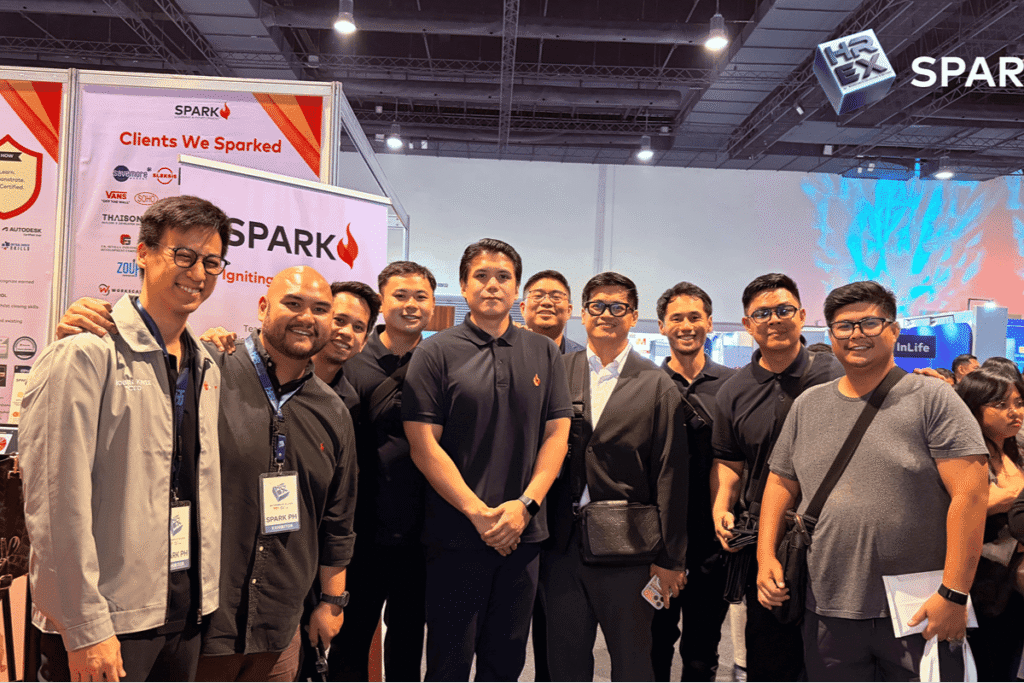
SPARK shares key insights from HREX 2026 on closing skills gaps, advancing microcredentials, strengthening leadership, and improving workforce development through effective Learning & Development strategies.
Read More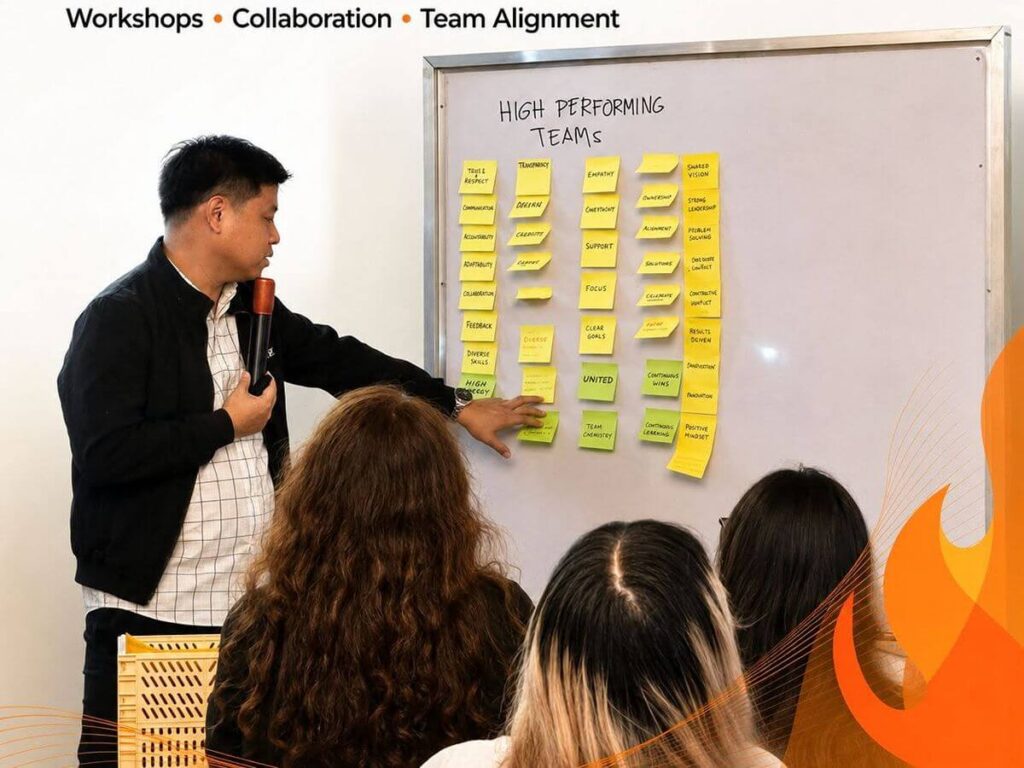
Spark Writes
October 3, 2026
Learn when to work with a team building facilitator in the Philippines and what to consider when choosing the right provider for your team.
Read More
Spark Writes
September 19, 2026
Explore how personal development training in the Philippines can help employees adapt to AI in the workplace and support workforce readiness.
Read More