Why do you need a team building facilitator in the Philippines?
- To gain expertise and an objective perspective
- Curate activities based on your needs
- Ensure inclusion and participation
- Address certain workplace challenges
- To understand the culture of the Filipino workplace
Overview
- Hiring a team building facilitator in the Philippines ensures structured, engaging, and impactful programs that strengthen teamwork, communication, and morale.
- Unlike DIY efforts, professional facilitators design activities tailored to team goals, address workplace challenges, and promote inclusion.
- Regular, guided sessions foster lasting collaboration, trust, and a positive workplace culture.
In Filipino workplaces, teamwork and camaraderie are key to success. However, when employees are tasked with organizing team building activities, balancing planning and participation often results in disorganized events with minimal impact.
That’s why you need a team building facilitator in the Philippines. A professional facilitator like Spark PH brings structure, strategy, and expertise to the process, ensuring that every activity aligns with your organization’s goals.
Through well-designed programs and guided execution, Spark PH transforms ordinary events into meaningful experiences that enhance teamwork, communication, and productivity long after the event concludes.
To Gain an Expertise and Objective Perspective
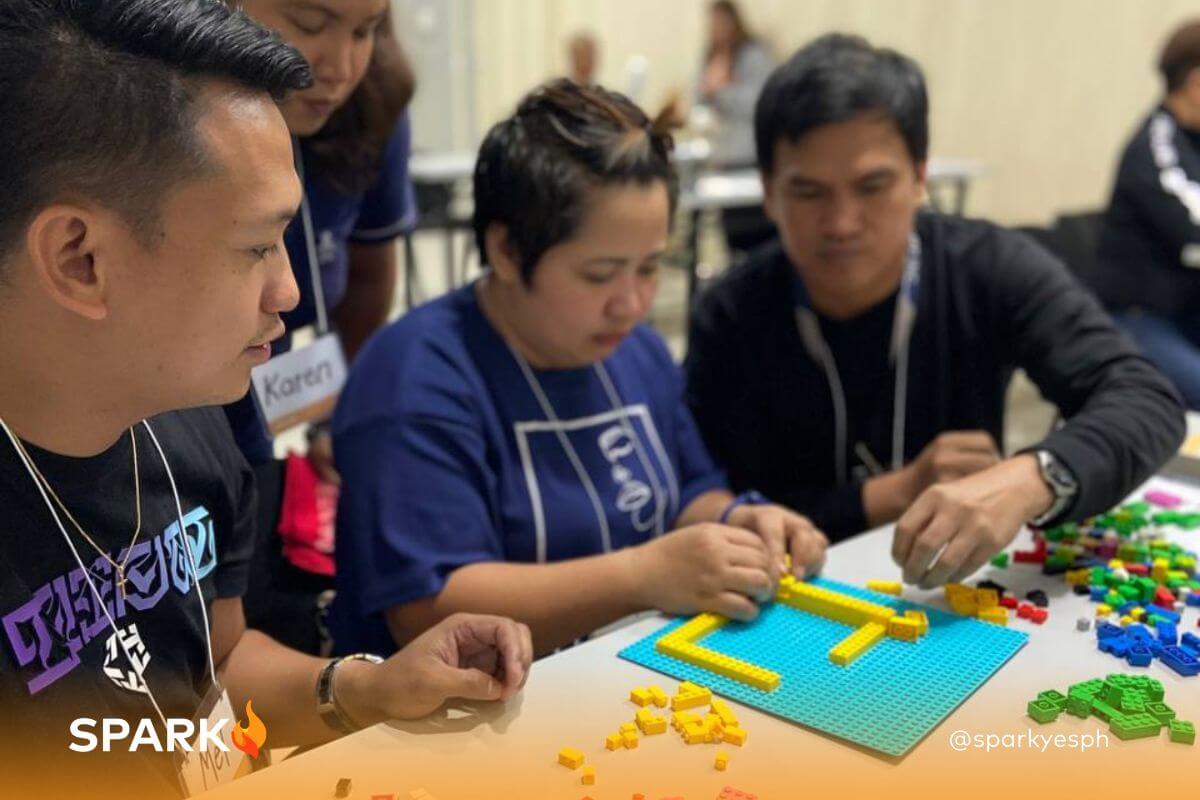
The objective perspective of a facilitator ensures that no bias or personal agenda influences the program’s outcome.
Instead of heavily depending on trial-and-error practices, they outline activities backed by proven methods that align with team goals. This makes the experience more meaningful, targeted, and powerful for everyone involved.
Curate Activities Based on Your Needs
Instead of one-size-fits-all games, facilitators can design trust-building exercises like blindfolded navigation, collaborative problem-solving tasks such as escape room-style challenges, outdoor team races, or communication workshops that simulate real workplace scenarios.
When activities are well-planned, employees feel that the program directly addresses their strengths and weaknesses. This level of relevance makes the experience engaging, practical, and more likely to create lasting results.
Ensure Inclusion and Participation
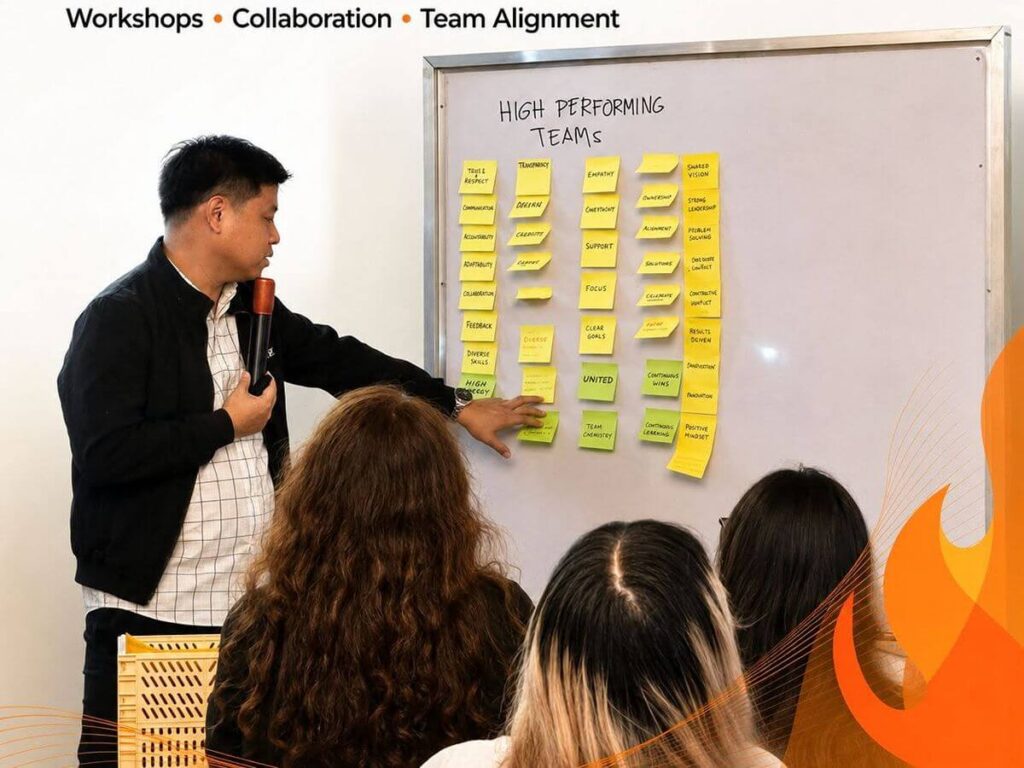
An expert facilitator designs activities that involve every team member, ensuring no one is left out. Through small group discussions, role-based games, and inclusive icebreakers, they create a safe space where every voice is valued.
When everyone participates, camaraderie builds naturally, respect strengthens, and morale rises, reinforcing the spirit of unity that defines the Filipino workplace.
Address Certain Workplace Challenges
Workplace challenges such as miscommunication, conflict, or low morale can quietly undermine productivity and relationships. With the right guidance, team building programs—such as trust exercises, conflict resolution workshops, and problem-solving simulations—can be tailored to address these issues directly. In the end, the workplace becomes more resilient, cohesive, and better equipped to handle daily challenges together.
To Understand the Culture of the Filipino Workplace
The Filipino workplace thrives on values such as unity, respect, and a strong sense of belongingness. A great facilitator notices these cultural traits and lays out activities that strengthen pakikisama (harmony), promote collaboration, and encourage open communication.
This, then, improves teamwork and creates an enthusiastic environment where employees feel valued and motivated to contribute.
How Often Should You Do Team Building Activities?
Studies show that team-building emphasizes mutual support, coordinated effort, and balanced contributions. Organizations strengthen this advantage by ensuring members buy into group objectives, feel a sense of belonging, and actively encourage one another.
Here’s the recommended frequency according to company size:
- Small companies (under 50 employees): Every 2–3 months (e.g., team workshops, social events.
- Medium companies (50–250 employees): Quarterly (e.g., departmental challenges, mixed-team sessions).
- Large companies (250+ employees): Quarterly + annual retreat or company-wide event (e.g., company-wide activities, hybrid strategy days).
Pro tip: Add micro-sessions lasting 15–30 minutes, such as prompt icebreakers or brainstorming huddles, to sustain engagement between bigger events.
Why DIY Team Building Often Falls Short
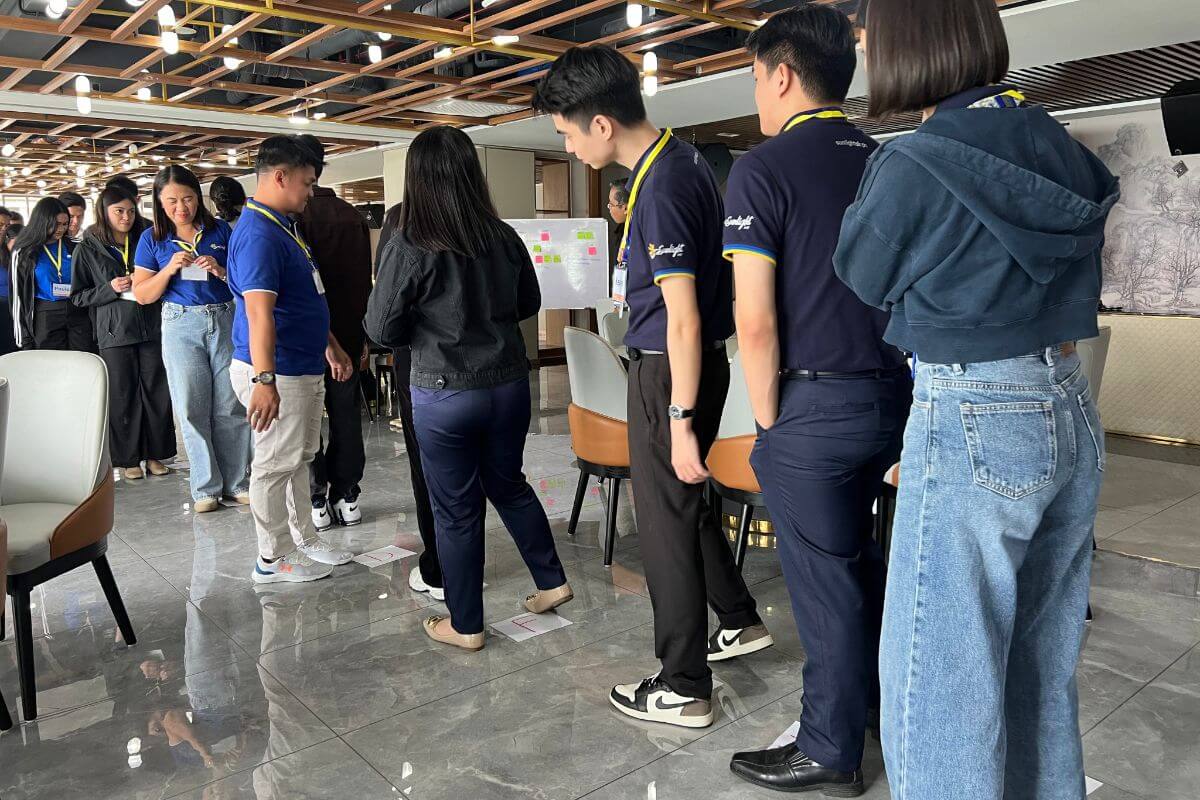
Attempting to handle team-building internally might seem cost-effective, but in reality, it misses the mark. Without such expertise, activities can feel repetitive, unstructured, or disconnected from real team needs, limiting their impact on collaboration and engagement.
Limited Skill in Facilitating Team Interactions
Without appropriate facilitation skills, internal organizers may struggle to guide team interactions effectively. This can lead to unbalanced participation, misunderstandings, or missed opportunities for collaboration.
Activities Fail to Reflect Core Values
Organizers may miss subtle group diversity, fail to manage conflicts, or struggle to encourage quieter team members to contribute. As a result, the team doesn’t fully engage or build the trust and collaboration that structured facilitation aims to achieve.
Engagement Remains Shallow Rather Than Meaningful
When activities are led internally without professional guidance, participation can stay at a surface level.
Employees may go through the motions without truly connecting, reflecting, or applying lessons to real workplace situations, which limits the long-term impact of the team-building effort.
Outcomes Fade Quickly Without Lasting Impact
Without well-structured follow-through, lessons from DIY team-building tend to be short-lived.
Participants may enjoy the activities in the moment, but without reinforcement or actionable takeaways, improvements in communication, trust, and collaboration may fade right away.
Overlooked Chances for Constructive Conflict and Responsibility
This often occurs when internal organizers avoid sensitive topics to keep the session “comfortable.” Without strategic exercises or neutral facilitation, team members may hesitate to voice disagreements, and responsibilities remain assumed rather than clarified, limiting opportunities for genuine learning and growth.
Key Takeaway
Understanding why you need a team building facilitator Philippines ensures your organization maximizes collaboration, engagement, and lasting impact.
Spark PH delivers expert facilitators who lay out purposeful activities tailored to your team’s goals, culture, and challenges. Connect with us today to elevate your team’s performance and transform workplace relationships.