How can personal development training in the Philippines help employees adapt to AI in the workplace?
- Building AI and digital literacy
- Personalized upskilling
- Boosting productivity via automation
- Public sector and enterprise readiness
Overview
- Personal development training in the Philippines helps employees build the skills and confidence needed to adapt to AI-driven workplace changes.
- It strengthens digital literacy, critical thinking, productivity, and adaptability through practical, structured learning.
- Spark PH’s data-informed programs help employees and organizations navigate new technologies, evolving responsibilities, and sustainable professional development.
As artificial intelligence (AI) becomes more common in Philippine workplaces, employees need to adjust to new tools, workflows, and responsibilities. However, giving teams access to AI tools alone may not be enough. Organizations also need to consider whether their people have the skills to use these technologies effectively. Personal Development Training in the Philippines can help strengthen these capabilities through structured learning and practical development.
Understanding how personal development training in the Philippines can help employees adapt to AI in the workplace can help Operations Directors evaluate workforce development options. This article explores key factors to consider, from building digital confidence to supporting productivity and preparing teams for changes in their roles.
Building AI and Digital Literacy

AI adoption remains limited among Philippine businesses. A PIDS study on AI adoption in Philippine businesses found that only 14.9% of firms use AI technologies despite widespread access to computers and the internet. The study also identified low awareness and skills gaps as barriers to adoption.
For example, an operations team may introduce an AI tool to summarize reports. Employees still need to understand its output and identify potential errors. Personal development training in the Philippines can strengthen skills such as communication and problem-solving. These capabilities can help employees approach new technologies with greater confidence and sound judgment.
Personalized Upskilling
AI can affect employees differently based on their roles. A customer service employee may use AI to support routine responses. An administrative employee may use it to organize information. This makes targeted upskilling important for organizations that want their teams to adapt without creating new skill gaps.
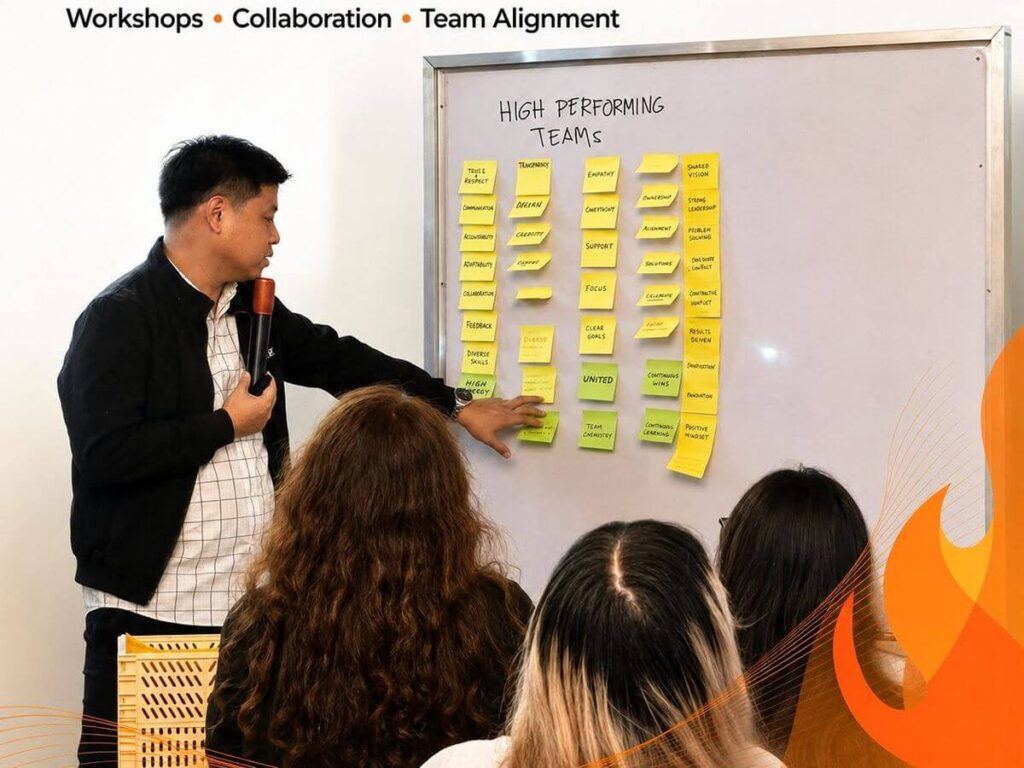
For example, a Philippine BPO company may introduce an AI-assisted customer service workflow. Employees still need to assess AI-generated responses and recognize when a situation requires human judgment. Spark PH’s Personal Development Training can support these capabilities through practical activities, coaching, feedback, and real-world applications.
Spark PH also identifies signs employees may need personal development training, including difficulty adapting to new technologies. Recognizing these challenges can help organizations determine where additional workforce development may be useful.
Boosting Productivity via Automation
AI can automate repetitive tasks, but employees still need to manage their workload and review AI-generated outputs. A recent PIDS discussion on AI and Philippine workplace readiness notes that Philippine companies use AI for productivity and customer service. It also reports that some employees spend additional time checking AI-generated outputs for errors.
Consider an administrative employee who uses AI to create an initial report. The tool may reduce the time needed for the first draft. The employee still needs to verify the information and decide what belongs in the final version. Professional development can strengthen the productivity and critical-thinking skills needed to make automation useful rather than create additional work.
Public Sector and Enterprise Readiness
The push for AI integration extends far beyond startups—it is actively reshaping public governance and enterprise operations across the Philippines. The ILO estimates that 12.7 million local jobs interact with Generative AI, but this transformation is about task evolution, not widespread replacement.
Consider an organization automating high-volume administrative tasks: while AI handles processing, human workers must pivot to complex decision-making, risk assessment, and cross-functional coordination. Building true enterprise readiness requires structured, continuous learning that equips employees with the critical judgment and agility needed to manage evolving workflows alongside AI tools.
How Spark PH’s Personal Development Training Supports AI Readiness
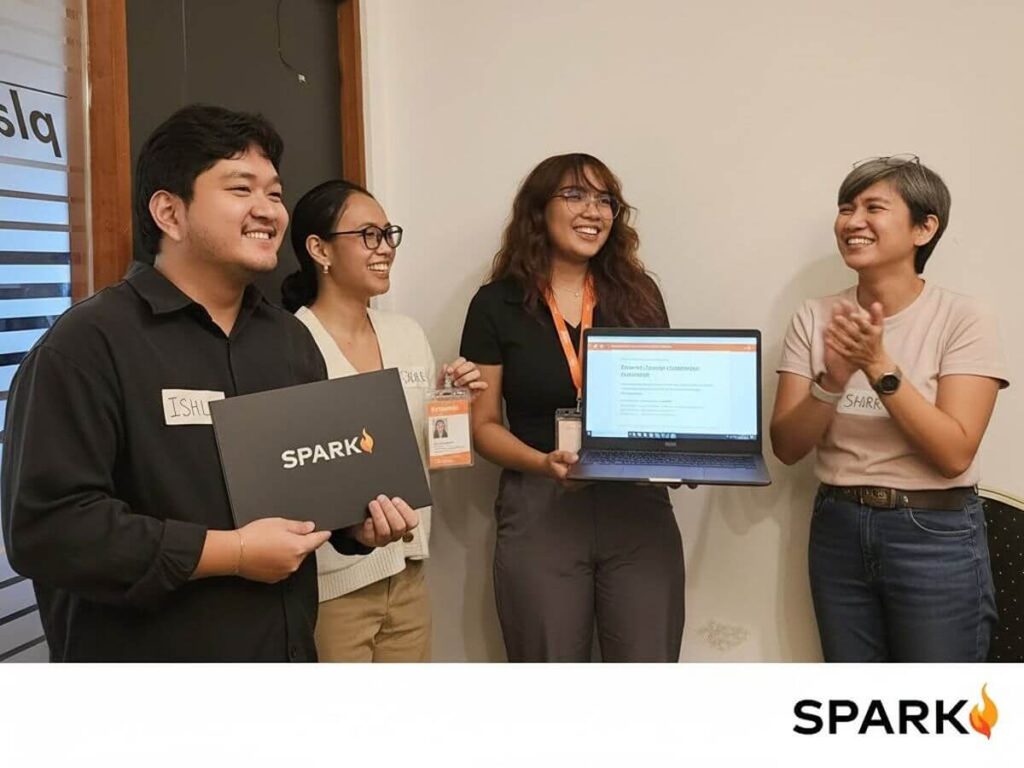
True AI readiness demands more than buying new software—it requires a workforce that can adapt, think critically, and communicate clearly. While technical training teaches employees how to operate AI tools, human-centered development ensures they can apply them responsibly and strategically.
Spark PH bridges this gap using a data-informed Discover, Deepen, Define, and Develop framework. By blending experiential learning, targeted coaching, and real-world application, we translate abstract skills into daily workplace habits.
For Operations Directors, this framework multiplies the impact of technical AI adoption. Instead of passively accepting automated results, your team develops the critical judgment needed to audit AI outputs, refine complex workflows, and maintain high performance as operational demands evolve.
Key Takeaway
Understanding how personal development training in the Philippines can help employees adapt to AI in the workplace helps organizations prepare teams for changing roles and workflows.
For Philippine businesses and institutions, developing adaptable workplace skills can complement technical AI training and support a more capable workforce. At Spark PH, we are happy to help your organization prepare its people for workplace changes. Contact us today to learn more about our Personal Development Training.