Ways to Keep Employees Engaged After Personal Development Training
Discover ways to keep employees engaged after personal development training and turn new skills into lasting workplace habits.

Written by Spark Writes
Discover ways to keep employees engaged after personal development training and turn new skills into lasting workplace habits.
Written by Spark Writes
Overview
- Post-training engagement helps employees turn personal development lessons into practical workplace habits and sustained growth.
- Practical application, manager support, peer collaboration, and microlearning reinforce new skills and keep development relevant.
- Spark PH’s intentional learning approach supports continued employee growth, helping organizations build a purpose-driven culture of learning and sustainable impact.
Training delivers lasting value only when backed by practice. Connecting personal development directly to daily operations ensures employees turn new concepts into permanent habits.
People and Culture teams can reinforce learning through manager support, peer collaboration, and intentional learning opportunities. Continued development can also help employees stay invested in their growth.
Understanding the ways to keep employees engaged after personal development training can help organizations create more sustainable learning experiences. This article explores practical strategies that Philippine organizations can use to reinforce training and encourage employees to apply new skills at work.
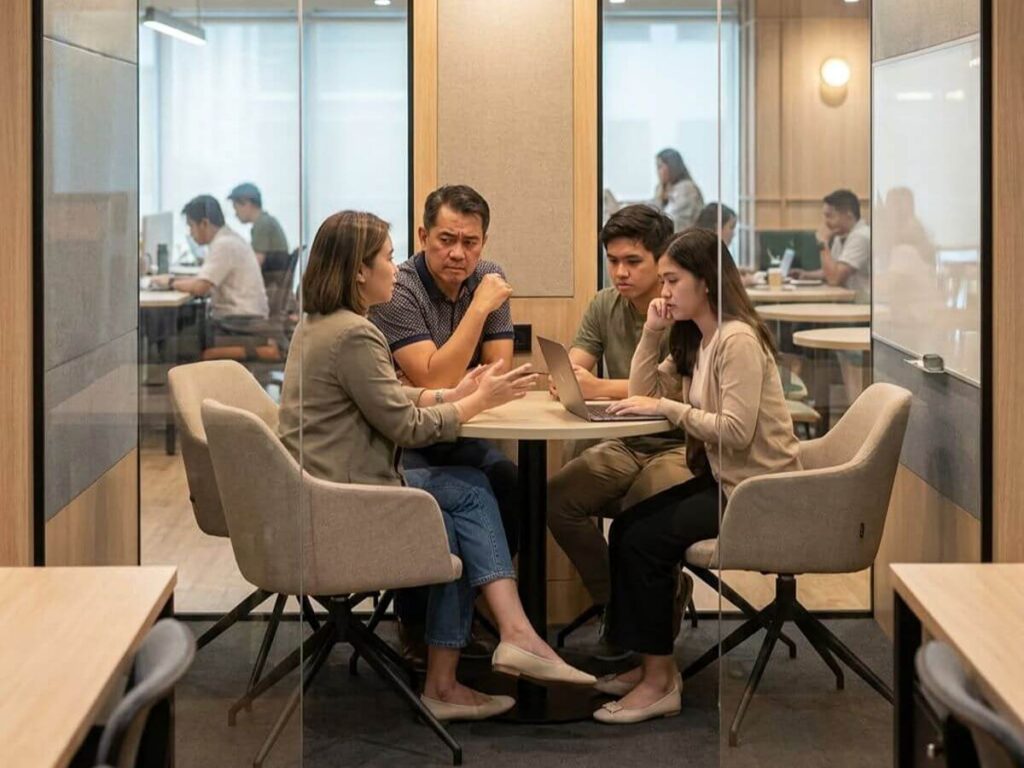
Real-world application drives learning retention. Requiring post-training action plans—a proven strategy from DOLE productivity programs—ensures employees apply new strategies directly to their daily tasks.
People and Culture teams can create simple opportunities for employees to practice what they learn. For example:
These activities help employees connect training lessons to their actual responsibilities. They also reflect the practical exercises discussed in personal development training in the Philippines.
Leaders turn training into daily habits through active reinforcement. Discussing specific skill applications during weekly check-ins provides the guidance and accountability employees need to refine new habits.
Peer support can reinforce this process. Employees could exchange feedback after practicing a new skill or share how they used a lesson in their work. A team could also give employees a chance to demonstrate a technique they learned during training. These interactions create opportunities for practice and help managers identify areas where employees may need additional guidance.
This support can also help organizations respond to signs employees need personal development training and create a more consistent approach to employee development.
Employees do not need another full-day workshop to revisit what they learned. A People and Culture team could send a short weekly reflection through Slack, Microsoft Teams, or email. For example, employees could answer a question about how they applied a communication or time-management skill that week.
Managers can also use brief learning resources before team meetings. HR teams could send a monthly prompt that asks employees to review a development goal. These small touchpoints keep important concepts visible without taking employees away from their regular responsibilities for long periods.
Regular reminders can encourage employees to reflect on their progress and continue practicing new behaviors. They can also help sustain personal growth after training instead of treating development as a one-time event.
Employees can stay invested in learning when they see how it connects to their professional growth. For example, a Philippine company could include development goals in performance discussions. Employees could then receive opportunities to lead a project or mentor a colleague after demonstrating relevant skills. Managers can also recognize employees who apply their training effectively in their daily work.
The connection does not have to involve a financial reward. Recognition can show employees that the organization values their progress. Mentorship can give them a chance to strengthen their skills. New responsibilities can also help employees put their development into practice. Clear goals can help employees understand how their training supports their longer-term career path.
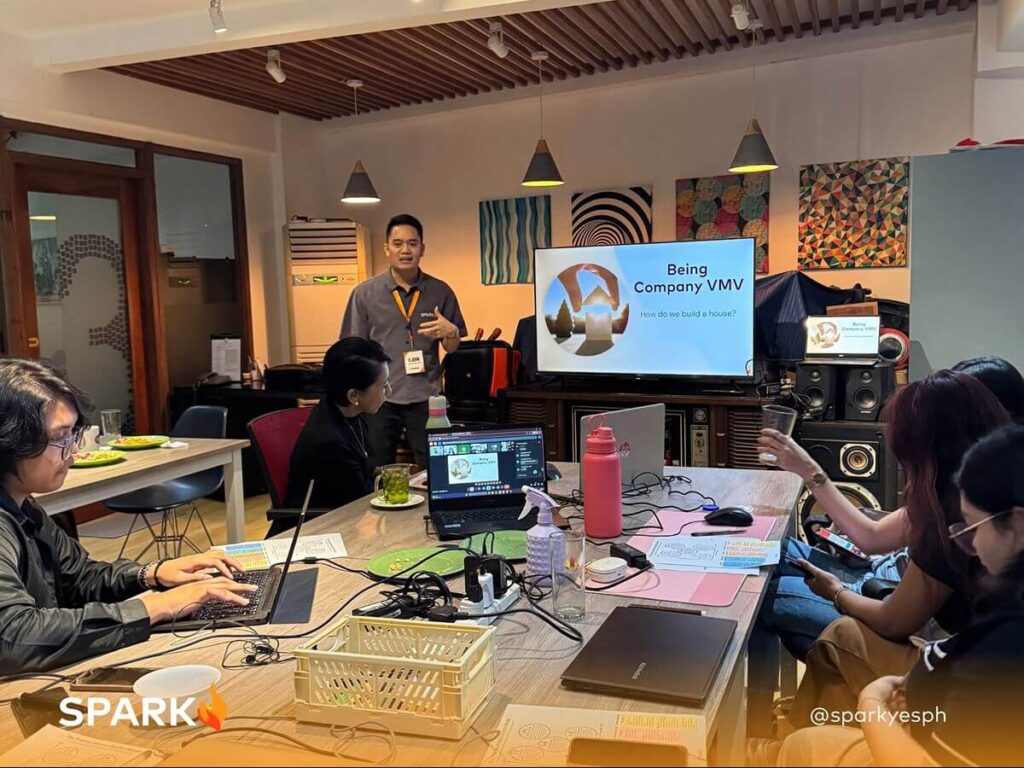
Personal development training can have greater value when organizations create opportunities for employees to practice and reflect on what they learn. For People and Culture teams, this means treating development as an ongoing process rather than a single training event. Continued guidance can help employees connect new skills to real workplace needs and support sustainable impact.
At Spark PH, we use intentional learning to connect personal development with organizational needs. Our Discover, Deepen, Define, Develop approach provides a structured path that starts with understanding organizational dynamics and continues through culture alignment, leadership coaching, and skills development. This purpose-driven approach can help organizations create learning experiences that remain relevant beyond the training session.
The ways to keep employees engaged after personal development training start with practical opportunities to apply new skills. Ongoing guidance from managers and peers can reinforce those lessons, while regular learning reminders can keep development relevant. Connecting new capabilities to career growth can also give employees a clear reason to continue developing their skills.
At Spark PH, we help organizations create intentional learning experiences that support continued employee development. For organizations that want to make learning a consistent part of their workplace culture, contact us today to explore how our team can support your learning and development goals.
Browse related articles on leadership and personal development, offering fresh perspectives to help you lead with clarity and grow in your career.
Spark Writes
October 12, 2026
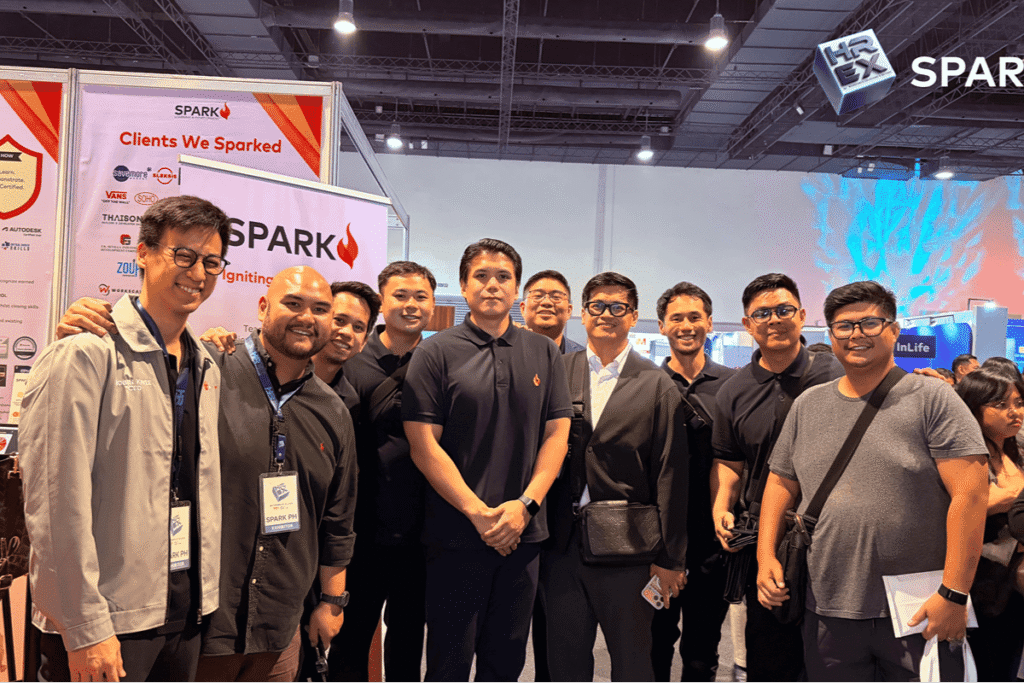
SPARK shares key insights from HREX 2026 on closing skills gaps, advancing microcredentials, strengthening leadership, and improving workforce development through effective Learning & Development strategies.
Read More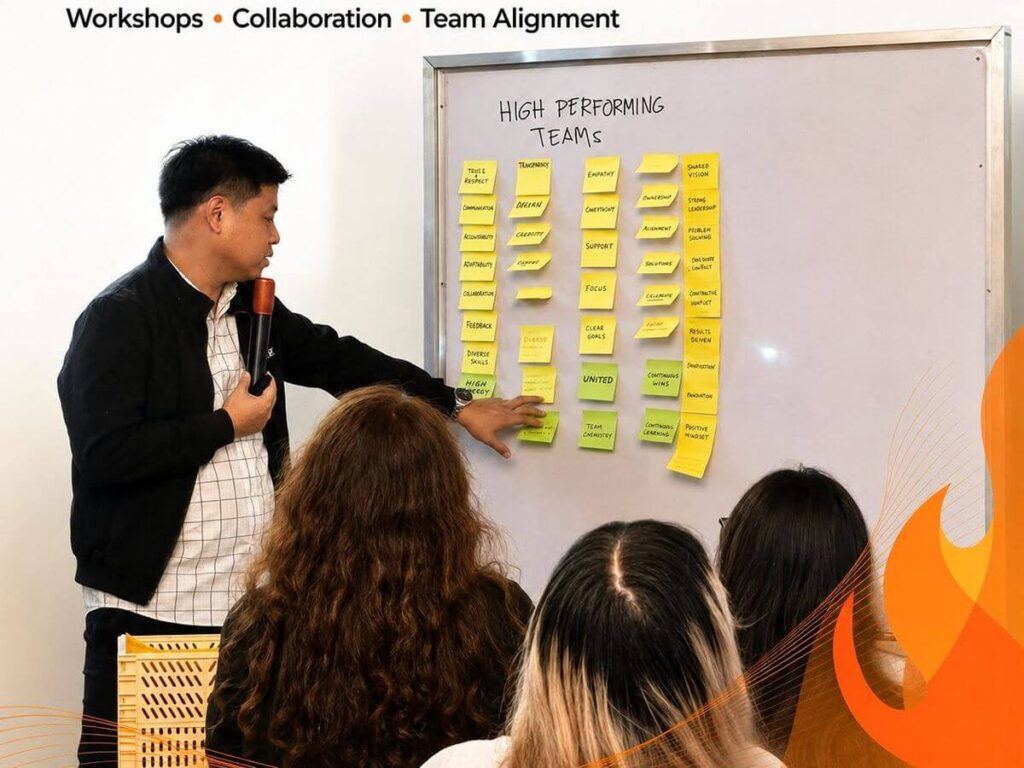
Spark Writes
October 3, 2026
Learn when to work with a team building facilitator in the Philippines and what to consider when choosing the right provider for your team.
Read More
Spark Writes
September 19, 2026
Explore how personal development training in the Philippines can help employees adapt to AI in the workplace and support workforce readiness.
Read More