Overview
- Spark PH connects Gen Z and Millennial employees through multi-generational team building designed to deepen trust, empathy, and collaboration.
- Guided by expert facilitators, teams challenge generational assumptions and align on shared Filipino workplace values.
- Through purpose-driven challenges and flexible facilitation, organizations transform age diversity into stronger, more cohesive teams.
As workplaces bring together employees from different generations, differences in communication styles and workplace expectations can shape how teams connect. Gen Z and Millennials may have distinct experiences and preferences, but team building can help both groups understand each other and work toward shared goals. A team-building facilitation program in the Philippines can help organizations create experiences that encourage connection across age groups.
So, how a team building facilitator in the Philippines can bridge the gap between Gen Z and Millennials starts with understanding what helps employees collaborate. In this article, we explore practical ways to strengthen communication and build better relationships within multi-generational teams.
Designing Hybrid and Interactive Activities
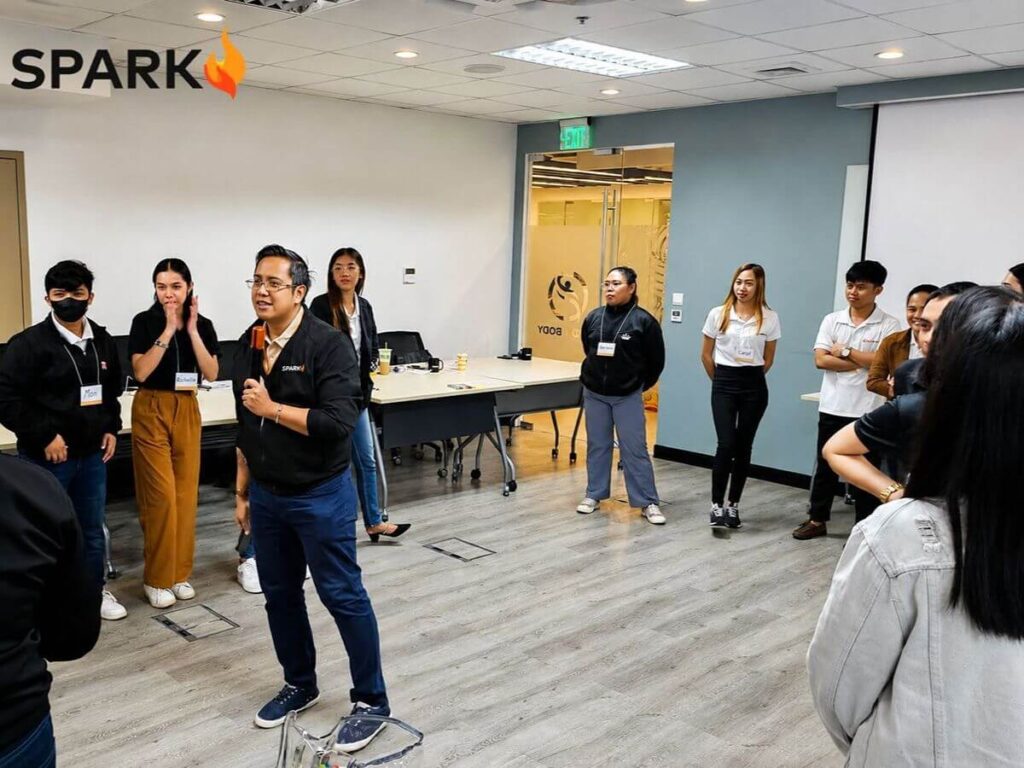
Gen Z and Millennial employees may have different communication and collaboration preferences, but research cautions against assuming age alone determines workplace behavior. Interactive activities can give employees a shared experience that helps them connect beyond generational labels. Research from the American Psychological Association also challenges broad assumptions about generational differences in the workplace.
Blended Formats
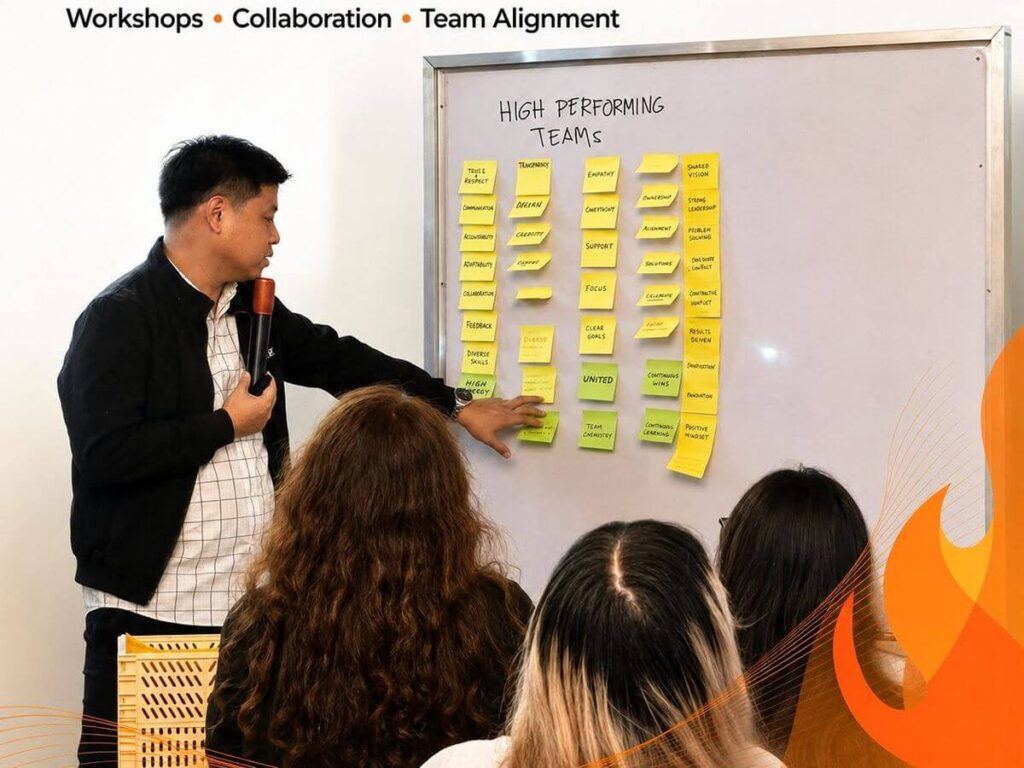
Blended formats can combine discussions with problem-solving exercises and simulations to accommodate different participation styles. This approach supports intentional learning by giving employees opportunities to apply communication and collaboration skills in practical situations, as explained in Spark PH’s guide on how to maximize the impact of a team building experience.
Speed-Networking and Reverse Mentoring
Short networking exercises can encourage employees from different generations to exchange experiences in a structured setting. A recent study on intergenerational mentoring found that career support and role modeling were associated with greater receptivity to organizational change. These activities can also help employees recognize shared interests and learn from perspectives outside their usual work groups.
Reframing Communication and Empathy
Generational assumptions can create barriers when employees interpret workplace behavior through stereotypes. Purpose-driven activities can give people space to understand different perspectives and build stronger team communication.
Deconstructing Stereotypes
Facilitators can use scenarios and guided discussions to help employees examine assumptions about younger and older coworkers. A peer-reviewed study on workplace age stereotypes found that younger workers were often associated with adaptability and performance, while older workers were associated with competence, reliability, and warmth. Addressing these assumptions can help employees focus on individual strengths rather than generational labels.
Localizing Values (Bayanihan Spirit)
Team building can connect generational collaboration to values that employees share within the Filipino workplace. Concepts such as bayanihan, malasakit, and pakikisama can provide a familiar foundation for building trust and stronger workplace relationships. These shared values can also encourage employees to support one another across different backgrounds and experiences.
Focusing on Purpose and Flexibility
Team-building activities can become more meaningful when employees understand how an exercise relates to their work. Spark PH takes a data-informed approach to learning and development so programs can respond to an organization’s specific needs and team dynamics.
Value-Driven Challenges
Problem-solving challenges can give Gen Z and Millennial employees a shared objective that requires them to work together. Research on intergenerational contact and knowledge sharing provides context for creating meaningful interactions between employees from different age groups. A clear purpose can help participants see how collaboration during the activity connects with their everyday responsibilities.
Equitable Participation
Activities should offer multiple ways to contribute instead of rewarding only the most outspoken participants. Research on intergenerational contact in organizations links positive interactions and knowledge-sharing practices with more positive attitudes toward older workers and stronger work engagement. Rotating roles can give quieter employees more opportunities to contribute and demonstrate their strengths.
How Spark PH Can Support Multi-Generational Team Building
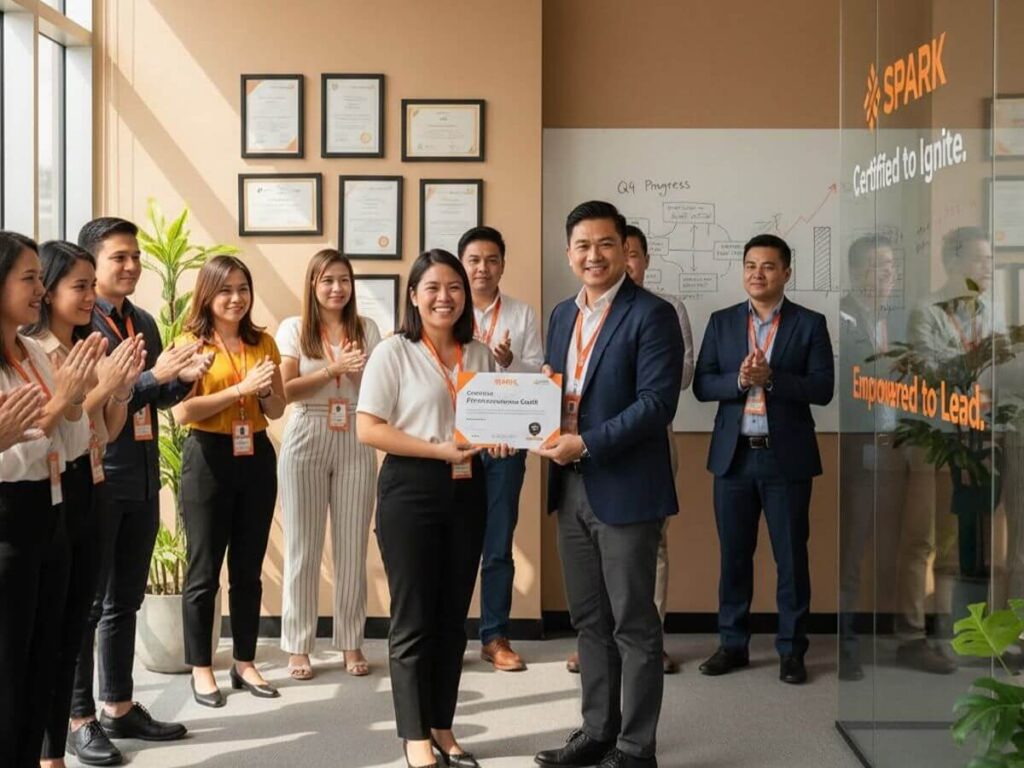
Spark PH designs tailored, experiential programs that address team dynamics, communication, collaboration, and organizational goals. Its approach uses discovery and experiential learning to help organizations create more purposeful team-building experiences with a team-building facilitator in the Philippines.
At Spark PH, we design Team Building Facilitation programs around each team’s specific dynamics and organizational goals. Our approach helps teams build relevant skills, strengthen collaboration, and create sustainable impact.
Key Takeaway
Understanding how a team building facilitator in the Philippines can bridge the gap between Gen Z and Millennials can help organizations create stronger workplace relationships across generations. Purpose-driven activities can give employees opportunities to communicate openly and discover shared strengths.
If your organization wants to build stronger connections across generations, contact us today and let Spark PH help you create an intentional learning experience that fits your team’s needs.