Overview
- Effective team building with Spark PH transforms single sessions into lasting workplace habits.
- Success begins with clear, measurable objectives, a well-structured agenda, and activities suited to diverse teams.
- Facilitators guide engagement, promote collaboration, and encourage reflection.
- Post-activity follow-up sustains momentum, reinforcing skills, trust, and a culture of continuous growth.
The most successful team-building efforts are the ones that lead to actionable habits. It becomes a starting point for meaningful behaviors that shape the way your people work every day.
For People and Culture Officers, this is a valuable opportunity: those insights aren’t just feel-good moments. They can be intentionally woven into everyday routines, collaboration styles, and operations to create teams that operate with greater alignment and unity.
With that kind of influence granted upon your team, let us understand further how to maximize the impact of your team building experience with Spark PH.
Before the Activity
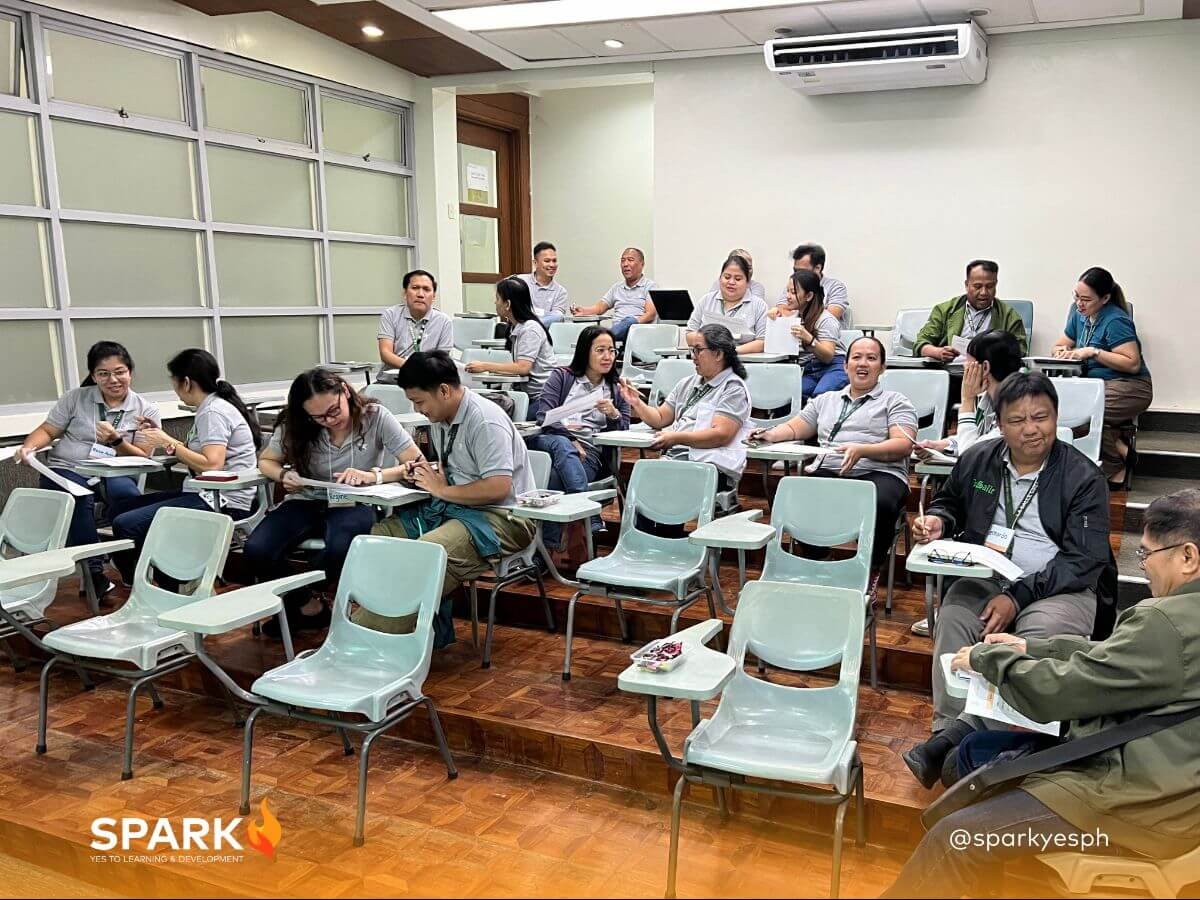
Effective preparation aligns the program with team goals, addresses current challenges, and sets clear expectations. Coordinating with organizers and defining key outcomes strengthens the foundation for a results-driven experience.
Identify Specific, Measurable Objectives
Define the outcomes you want to achieve, whether improved collaboration, stronger problem-solving, or enhanced leadership. Ensure these objectives are specific and measurable to track progress accurately.
Setting clear targets, such as higher project completion rates or improved engagement scores, keeps activities purposeful and results easy to evaluate.
Clear goals provide facilitators and participants with a focused roadmap for success.
Create a Well-Structured Agenda
As People and Culture Officers, you play a key role in driving effective team building by clearly outlining your agenda and aligning it with your goals and expectations. This guidance enables facilitators, such as Spark PH, to design sessions that balance energizing activities, reflective discussions, and practical problem-solving.
A well-structured sequence with carefully timed transitions and debriefs ensures participants remain engaged, retain key insights, and apply new skills effectively.
Ensure Activities are Suitable for Diverse People
Workplaces today are diverse, with employees varying in age, physical ability, experience, personality, ethnicity, and generational background. Considering these differences is essential when planning team-building programs.
For instance, high-energy outdoor challenges may energize some participants, while collaborative problem-solving exercises or creative workshops may better engage those who prefer less physically demanding activities. Offering a balanced mix ensures all participants feel included, motivated, and actively engaged in learning.
During the Activity
The success of team building depends not only on planning but also on execution. Facilitators guide participants in real time, ensuring objectives are met while fostering engagement and stronger connections.
Promote Purposeful Activities and Collaboration
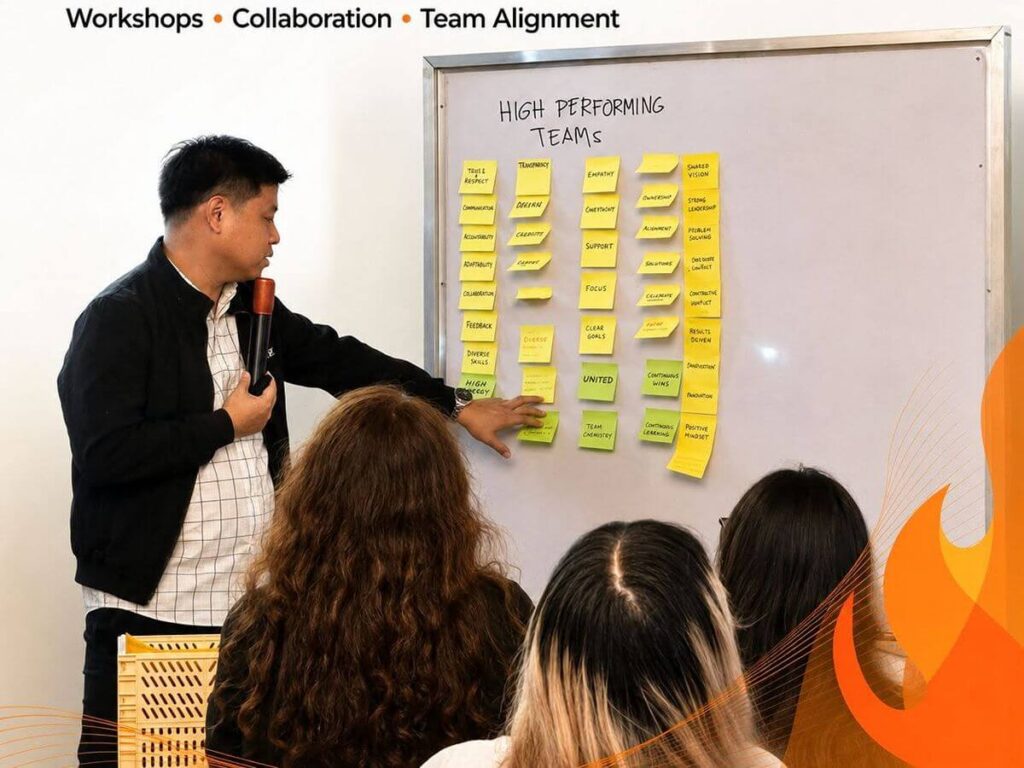
Facilitators outline a range of exercises, including problem-solving challenges, trust-building tasks, and collaborative games that require teams to communicate, strategize, and work toward a shared goal.
Active participation in these programs helps participants build trust, strengthen camaraderie, and develop habits they can apply in real workplace situations, making the experience both relevant and actionable.
Encourage Interaction and Open Communication.
Exercises such as group discussions, feedback circles, and role-playing scenarios provide safe spaces for participants to share ideas, ask questions, and listen actively.
Facilitators help teams practice transparent communication, fostering stronger relationships, resolving misunderstandings, and cultivating a culture of trust and collaboration that extends beyond the event.
Break Into Smaller Groups
Forming teams of three to five members helps individuals feel comfortable sharing ideas, solving challenges together, and receiving personalized guidance from trainers.
This setup encourages deeper discussions, hands-on problem-solving, and peer feedback, ensuring lessons are absorbed effectively while strengthening connections across diverse personalities and skill sets.
After the Activity
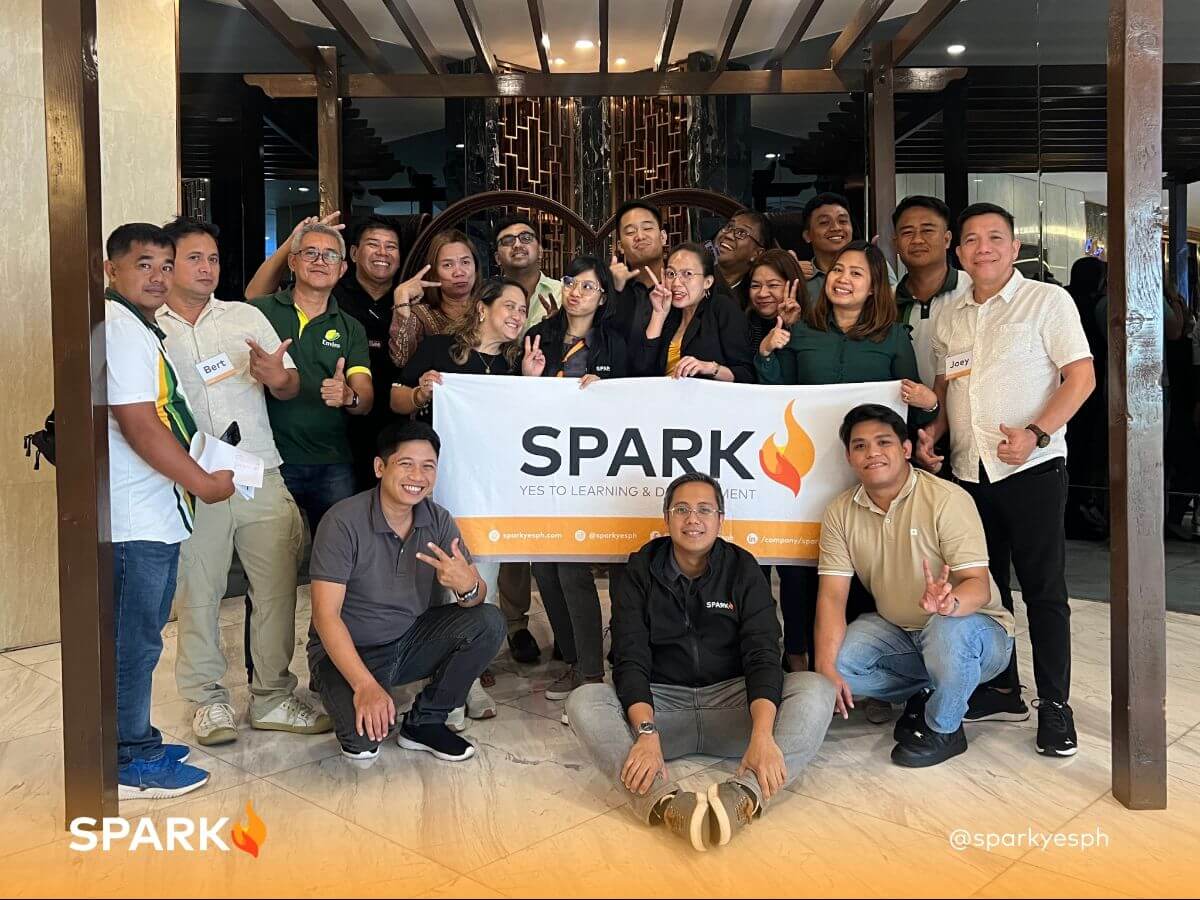
It emphasizes reflection, feedback, and the practical application of lessons in the workplace. Deliberate follow-up actions help organizations ensure that the skills, insights, and connections gained lead to lasting improvements.
Gather Feedback
Collect participant insights on what worked and what can improve through surveys, reflections, or debriefs. Spark PH provides tailored tools to assess team dynamics, engagement, and learning outcomes, delivering actionable recommendations for future programs.
Evaluate Results
Trainers conduct post-program assessments and reports to measure changes in teamwork, engagement, and performance. Data interpretation and follow-up initiatives help sustain improvements and prevent old habits from returning.
Apply Learning
Integrate new communication, problem-solving, and collaboration practices into daily workflows. Spark PH offers practical tools and guides to help managers reinforce behaviors, promote accountability, and maintain team alignment.
Sustain Momentum
Keep teams engaged through check-ins, action plans, and reinforcement activities. Spark PH’s structured approach ensures continuous progress and fosters a lasting culture of collaboration and growth.
Key Takeaway
Understanding how to maximize the impact of team building experience with Spark PH begins with clear objectives, purposeful activities, and consistent follow-up. Spark PH provides expert facilitation, post-program guidance, and practical tools to sustain momentum, helping teams strengthen collaboration and build lasting workplace culture.
Reach out to us today to start planning a transformative team building experience.